Follow the guide below to determine the current condition of your headlights
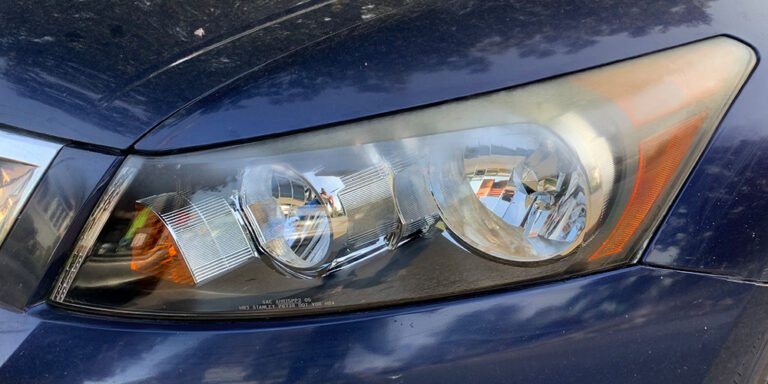
Mild Oxidation — Approximately 30% or Less of the Lens Affected
Mild oxidation occurs when only a portion of the headlight lens becomes cloudy or discolored, while most of the factory UV coating remains intact. This type of oxidation is commonly seen at the upper areas of the lens — the section with the most direct exposure to sunlight.
Can It Be Restored? Yes. The oxidized section of the lens can be fully restored. However, because the remaining factory coating may still be present but weakened, we often recommend a complete restoration. This allows us to remove the deteriorated coating and apply a new, more durable UV sealant to ensure long-lasting clarity and protection.
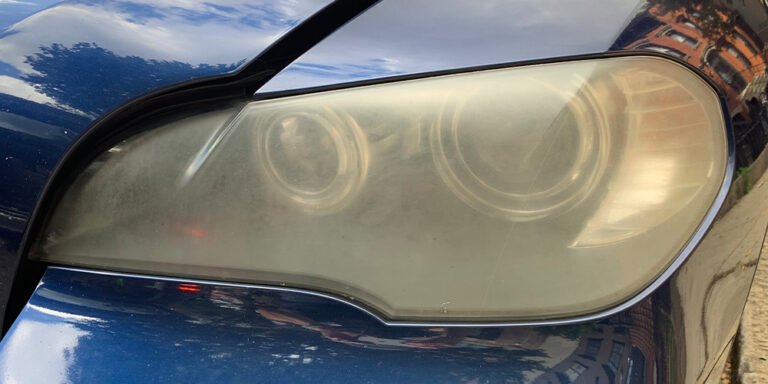
Heavy Oxidation — Approximately 60% or More of the Lens Affected
Heavy oxidation occurs when the majority of the headlight’s factory UV coating has deteriorated due to prolonged sun exposure, harsh weather conditions, and general wear from daily driving. At this stage, the lens appears very cloudy, yellowed, or hazy, and overall light output is significantly reduced.
Can It Be Restored? Yes. As long as there are no deeper or permanent damages (such as internal moisture, cracks, or pitting), restoration can recover approximately 85–95% of the headlight’s original clarity. Our process removes the damaged surface layer and applies a new UV-protective coating to ensure improved visibility and long-lasting protection.
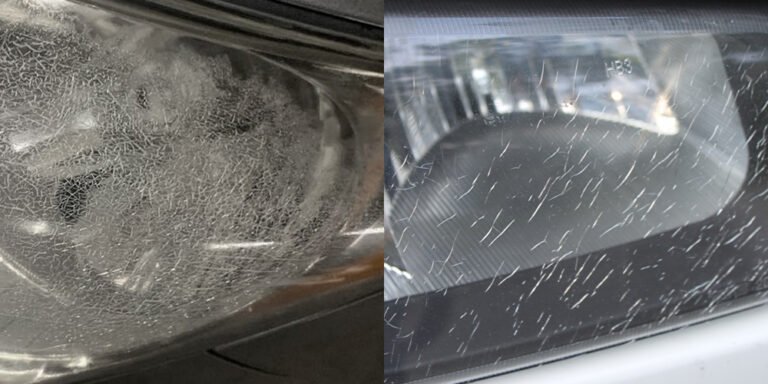
Crazing — Fine Hairline Fractures Beneath the Lens Surface
Crazing appears as light to heavy hairline cracks just below the surface of the headlight lens, often along the direct path of the light beam. It’s typically caused by prolonged UV exposure and continuous heat buildup from both sunlight and headlight operation.
Can It Be Restored? Minor surface-level crazing can sometimes be reduced through careful sanding and refinishing. However, most cases of deep or widespread crazing are irreversible but we’ll do our best. Depending on the severity and location of the damage, a complete headlight replacement may be the best solution for long-term clarity and safety.
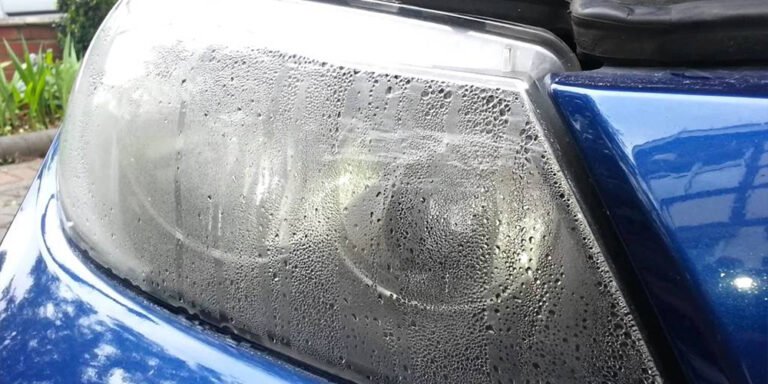
Internal Fogging, Condensation, Moisture, or Mold Inside the Headlight
When fog, condensation, or visible moisture appears inside the headlight housing, it typically indicates a leak or compromised seal — either around the lens, the bulb access boot, or the venting system. Because moisture becomes trapped inside with no airflow, it can leave water spots once dried, and in more severe cases, lead to mold growth within the housing.
Can It Be Restored? Unfortunately, this type of issue cannot be resolved through our headlight restoration process, as we only work on the external surface of the lens. Internal moisture problems require resealing, repair, or possibly replacement of the headlight unit.
Ready to See Clearly Again?
Bring your headlights back to life today. Fast service, lasting shine, and a full 12-month guarantee.

 English (UK)